Electrical testing is one of those invisible safeguards that most of us never think about until something goes catastrophically wrong. We flip switches, charge devices, and run appliances with the unexamined confidence that comes from living in a world where electricity simply works. Yet behind every functioning electrical system lies a network of protocols, inspections, and testing procedures designed to prevent the kind of failures that can result in fires, injuries, or worse. The question is not whether electrical testing matters, but whether we are doing enough of it.
Understanding What Electrical Testing Actually Involves
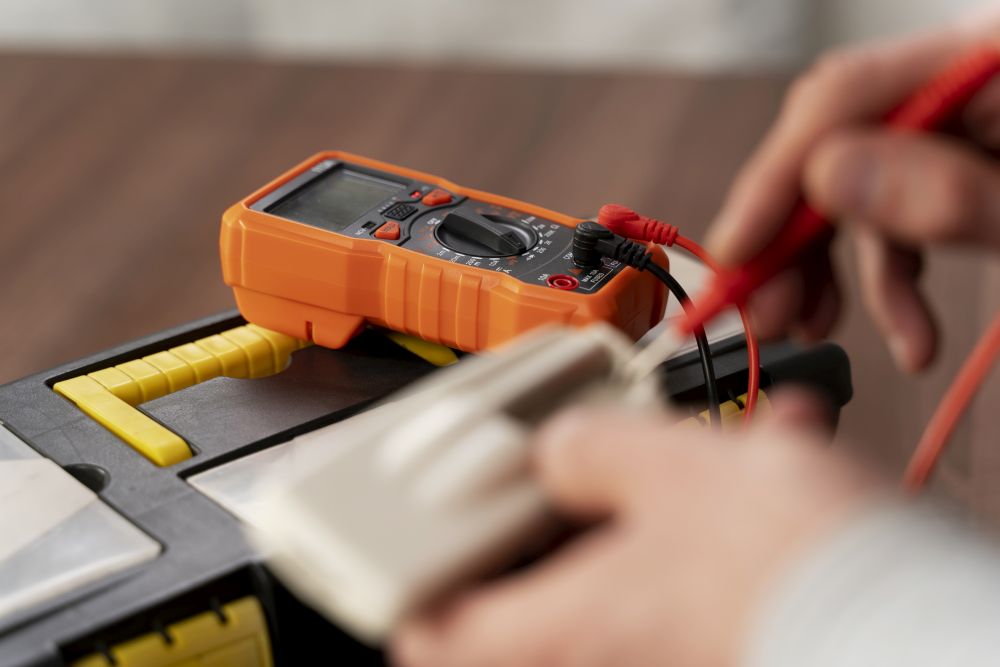
At its core, electrical safety testing is about verification. It confirms that electrical installations, equipment, and systems operate within safe parameters and comply with established standards. This is not a single procedure but rather a collection of tests, each designed to identify specific vulnerabilities before they manifest as hazards.
The scope of testing electrical systems can include:
- Insulation resistance tests that measure the integrity of electrical insulation
- Earth continuity tests that verify proper grounding connections
- Polarity checks ensuring live, neutral, and earth connections are correct
- RCD testing to confirm residual current devices respond appropriately to faults
- Load testing that assesses whether circuits can handle their intended electrical loads
Each of these procedures serves as a diagnostic tool, revealing weaknesses that might otherwise remain hidden until a critical failure occurs.
The Regulatory Framework in Singapore
Singapore has established comprehensive requirements for electrical test procedures, recognising that in a densely populated urban environment, electrical failures carry amplified risks. According to Singapore’s Energy Market Authority, “all electrical installations must be tested and certified by a Licensed Electrical Worker before connection to the electricity supply.” This mandate reflects an understanding that electrical safety is not optional but foundational to public welfare.
The regulatory framework requires periodic inspection and testing of electrical installations, particularly in commercial and industrial settings. Singapore’s approach emphasises prevention, requiring that electrical systems undergo thorough examination at regular intervals rather than waiting for problems to emerge. This proactive stance has contributed to maintaining high safety standards across the nation’s building stock.
Why Regular Testing Matters More Than You Think
Electrical systems degrade over time. Insulation deteriorates, connections loosen, and components wear out. These changes happen gradually, often imperceptibly, which is precisely what makes them dangerous. A wire that was perfectly safe five years ago may now be a fire hazard. A circuit breaker that once functioned flawlessly might fail to trip during an overload.
Consider the statistics: faulty electrical installations rank among the leading causes of residential and commercial fires globally. Many of these incidents could have been prevented through routine electrical testing and maintenance. The tragedy is that the technology to identify these risks exists and is readily available; the failure often lies in the decision not to use it.
When Should Testing Be Conducted
The frequency of electrical safety testing depends on several factors, including the type of property, the age of the installation, and the nature of use. However, some general principles apply across contexts.
For residential properties, testing should occur:
- During property purchase or sale transactions
- After any significant electrical work or renovations
- Following severe weather events that might compromise electrical systems
- At regular intervals as recommended by qualified electricians, typically every few years
Commercial and industrial facilities face more stringent requirements. The intensive use of electrical equipment, the presence of specialised machinery, and the potential impact on multiple occupants necessitate more frequent assessments. In Singapore, workplace electrical installations often require annual inspections, with some high-risk environments demanding even more frequent scrutiny.
The Human Element in Electrical Safety
Technology and regulations can only accomplish so much. The effectiveness of testing electrical systems ultimately depends on human judgement and expertise. A qualified electrical professional brings not just technical knowledge but also the experience to identify anomalies that might not register on testing equipment alone. They notice the discoloured outlet that suggests overheating, recognise the subtle signs of moisture intrusion, and understand the implications of modifications made by previous occupants.
This expertise becomes particularly crucial in older buildings, where electrical systems may include legacy components or unconventional configurations. Singapore’s diverse building stock, ranging from heritage shophouses to modern high-rises, presents unique challenges that require adaptable, knowledgeable approaches to electrical testing.
Looking Forward
As our dependence on electrical systems intensifies with the proliferation of devices, electric vehicles, and smart home technologies, the importance of rigorous testing protocols will only grow. The electrical infrastructure that seemed adequate a decade ago may strain under contemporary demands. Regular assessment ensures that systems evolve alongside our needs rather than lagging dangerously behind them.
The evidence is clear: electrical failures are predictable and preventable. What separates safe installations from hazardous ones is not luck but diligence. Every property owner, manager, and occupant has a stake in ensuring that the electrical systems they depend on have undergone proper electrical testing.