Category: My Blog Page 1 of 2

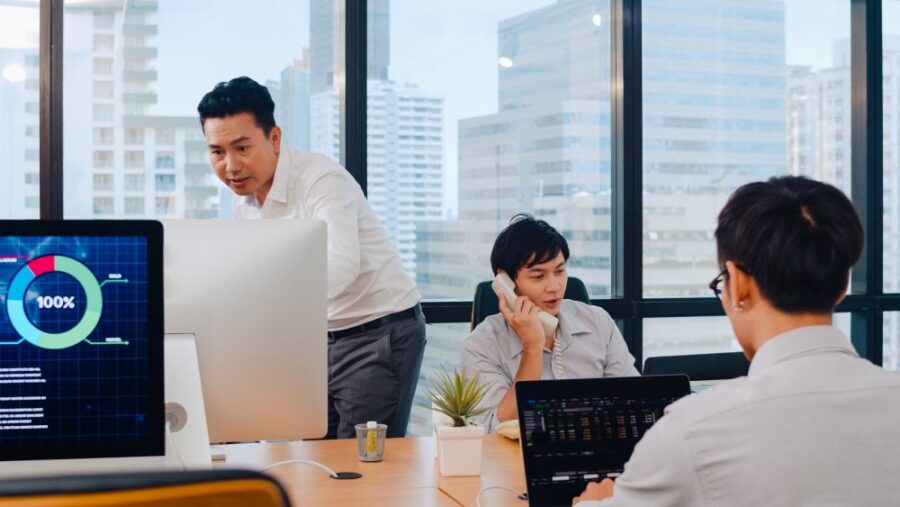
Three people work in a modern office with large windows; one stands by a monitor, another talks on the phone about the Singapore IT firm building grant-eligible security stacks, while a third works on a laptop.

Singapore IT Firm Delivering Grant Eligible Security Solutions

The Singapore IT firm building grant-eligible security stacks for smaller businesses occupies a specific and useful position in the technology market. For SMEs that need real cybersecurity protection but cannot justify enterprise-level IT expenditure without financial support, a vendor that combines technical capability with deep familiarity with the grant landscape changes the economics of the decision.

Why Smaller Businesses Need Grant-Eligible Solutions

Singapore’s SME community spans a wide range of technical maturity and budget capacity. At one end are businesses with dedicated IT managers and structured technology budgets. At the other end are small businesses where the owner-operator also manages the IT, and where unbudgeted technology expenditure competes directly with operational costs.

For businesses at the smaller end of this range, cybersecurity investment is often treated as discretionary. The reasoning is understandable: the business has not yet experienced a significant incident, the visible cost of prevention is real, and the invisible cost of an incident is theoretical until it happens.

The grant landscape changes this calculation. PSG co-funding means that the effective out-of-pocket cost of a meaningful cybersecurity implementation can be reduced substantially. For businesses that have not explored what is available, the gap between what they believe cybersecurity will cost and what it will actually cost with grant support is often large.

As Senior Minister Tharman Shanmugaratnam has noted, “The digital economy creates opportunity for every Singapore business. But it also creates risk that every business must manage. The government’s role is to make that risk management accessible.” Grant-eligible security solutions are how that accessibility is delivered in practice.

What Grant-Eligible Security Stacks Typically Include

A grant-eligible security stack for a Singapore SME is a combination of security solutions structured to meet PSG eligibility criteria and the actual security needs of the business.

The components of a well-designed stack typically include:

  • Next-generation firewall or UTM appliance – the network-level control point that inspects and filters traffic between the internet and the business’s internal systems
  • Endpoint protection platform – security software deployed on each company device that monitors for malicious activity and responds to threats automatically
  • Email security filtering – a gateway that filters inbound email for phishing attempts, malware, and spam before messages reach staff inboxes
  • Multi-factor authentication – an additional layer of identity verification for access to business systems and cloud applications

This combination addresses the most common attack vectors: compromised network connections, infected devices, phishing emails, and stolen credentials. Together they provide a meaningful baseline of protection for a business that currently has none.

VGC Technology’s Approach to Security Stack Design

VGC Technology’s grant-eligible security solutions for Singapore SMEs begin with an assessment of the business’s specific situation. The security stack recommended is based on the actual attack surface of the business, not a generic template.

Factors that influence the design include:

  • The number of users and devices to be protected
  • Whether the business handles sensitive data (financial records, personal data, client information) that represents a higher-value target
  • The existing IT infrastructure, including any cloud services, remote working requirements, or third-party system integrations
  • The technical capability of the business’s staff to manage security tools themselves versus relying on the vendor for ongoing management

Based on this assessment, VGC Technology designs a security stack that addresses the business’s risk profile within the grant-eligible solution categories.

Managing the Grant Application

The grant application process is familiar territory for VGC Technology. The firm has processed multiple PSG cybersecurity applications and understands the documentation requirements, the BGP submission process, and the common points of failure that delay approval.

Businesses applying for the first time often find the process more complex than expected. VGC Technology manages the application on behalf of the client, ensuring that the quotation format, technical specifications, and supporting documents meet IMDA’s requirements.

Beyond the Grant: Ongoing Security Management

Grant-funded implementation is the beginning of the security relationship, not the end. A firewall that is configured but never reviewed, endpoint protection that is installed but not monitored, and email filters that are not updated to reflect new threat signatures provide diminishing protection over time.

VGC Technology offers ongoing managed security services for businesses that want continuous oversight of their security posture without building in-house IT security capability. These services cover monitoring, patching, policy review, and incident response support.

A Complete Security Partnership

For smaller Singapore businesses that need cybersecurity protection and want to fund it intelligently using available government grants, the Singapore IT firm building grant-eligible security stacks for smaller businesses provides the complete solution: technical design, grant facilitation, implementation, and ongoing management under one roof.

A worker in protective gear adjusts a machine on a production line processing food items, with brown material and nuts visible on the conveyor belt.

Filling Machines and Equipment for Efficient Packaging Operations

Filling machines and equipment form the operational backbone of every liquid and semi-liquid packaging line, and the efficiency of that backbone determines how cost-effectively a manufacturer can move product from production to shipping.

The Scope of Industrial Filling Equipment

The category of filling machines and equipment covers a wide range of formats, scales, and automation levels. At one end: a bench-top piston filler that an operator uses to fill sample vials. At the other end: a fully automated liquid packaging line that fills, caps, labels, weighs, and palletises thousands of units per hour without manual intervention. Between these extremes lies the practical territory where most industrial manufacturers operate – semi-automatic and automatic systems matched to medium-to-high production volumes.

The equipment types within this category include:

  • Piston fillers: positive displacement piston mechanisms that deliver a fixed volume per fill cycle. Used for viscous products such as creams, sauces, adhesives, and thick chemicals.
  • Peristaltic pump fillers: the product is moved by squeezing a flexible tube with rollers, creating a gentle fill action that suits shear-sensitive products
  • Gear pump fillers: used for medium-to-high viscosity liquids where the positive displacement action of meshing gears delivers accurate, repeatable volumes
  • Gravity fillers: the product head pressure above the fill valve drives the fill. Simple and low-maintenance for thin liquids.
  • Weight-based fillers: load cells measure fill weight in real time, providing the most accurate fills for value products and regulated industries

Matching Equipment to Product and Container

Selecting filling machines and equipment appropriate for a specific application requires matching the fill technology to the product’s physical properties and the container format:


  • Product viscosity: determines pump type and flow rate capability
  • Product temperature: heat-sensitive products require temperature-controlled fill heads; hot-fill products require materials rated for high temperature exposure
  • Container type: pails, drums, IBCs, cans, bottles, tubes, and bags each require different fill head configurations and conveying systems
  • Fill accuracy requirement: tighter tolerances require more sophisticated sensing and control systems

A filling equipment supplier who understands this matching process adds genuine value to the procurement decision before any equipment is purchased.

The Efficiency Imperative

Efficiency in a packaging operation is measured at multiple levels. Machine efficiency – the throughput achievable when the machine is running – is the most visible metric. The line efficiency, which accounts for changeover time, cleaning time, downtime for maintenance and repairs, and the time lost to quality rejects from the inaccurate fills, actually determines production economics.

Industrial packaging machines that minimise changeover time, clean quickly and completely, require minimal maintenance-related downtime, and fill accurately enough to eliminate quality rejects deliver higher overall line efficiency than machines that optimise only for peak throughput rate.

Integration Across the Packaging Line

Filing machines rarely operate in isolation. In a complete packaging line, the filler receives containers from a denesting or infeed station, fills them to the specified weight or volume, and passes them to a capping or sealing station, a check weigher, a labelling system, and a palletiser. The filler must be compatible with adjacent equipment in terms of conveyor dimensions, timing, and control system integration.

“System thinking is what separates an efficient operation from a collection of individual machines.” – Lee Kuan Yew.

A packaging line that is designed as a system, with all components matched in capacity and integrated in control, performs better than one assembled from individually purchased components that happen to fit next to each other.

Automation as an Investment in Consistency

The primary case for automated filling equipment over semi-automatic or manual alternatives is consistency. An automated system fills every container at the same weight, at the same rate, with the same control parameters, regardless of operator fatigue, shift changes, or the variability that accumulates across a long production run. This consistency reduces quality failures, reduces product giveaway from overfill, and reduces the labour cost per unit at scale.

The capital cost of automation is recovered through these ongoing savings, typically within one to three years for medium-to-high volume applications.

Supplier and Support Considerations

Filling machinery and packaging equipment represent a significant capital investment that must perform reliably across years of production use. A supplier with local technical capability, spare parts availability, and service engineers who can reach a Singapore facility quickly provides an operational security that remote suppliers cannot match. Filling machines and equipment, properly selected, correctly integrated, and supported by a responsive local supplier, are what efficient industrial packaging operations are built on.

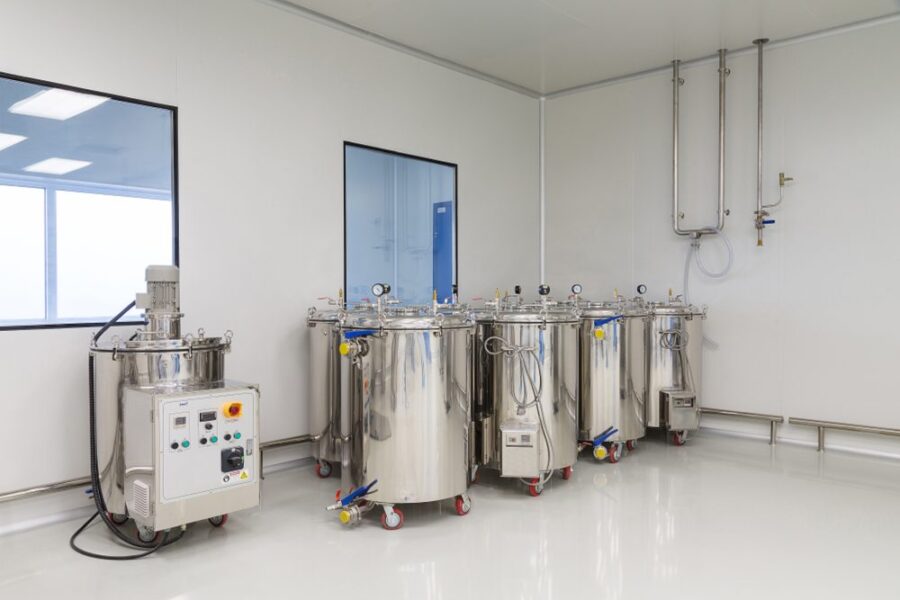
A clean, white room with four large stainless steel industrial tanks on wheels and a control panel, used for processing or storing liquids.

Drum Filling Machine Singapore for Accurate Liquid Filling Solutions

A drum filling machine Singapore manufacturers and industrial operators select determines not just how fast drums are filled, but how accurately, how safely, and how reliably the filling operation supports the rest of the production and distribution chain.

The Drum as an Industrial Packaging Standard

The standard 200-litre steel or plastic drum is one of the most widely used liquid packaging formats in global industrial commerce. Its dimensions, closure types, and handling requirements are standardised under international norms, which means that a drum filled in Singapore can be handled, stored, and discharged using equipment and procedures understood by logistics and end-user operations in the world.

This standardisation is the drum’s primary commercial advantage. But for the facility filling thousands of drums per year, the filling equipment must match the standard as precisely as the container does. A drum filling machine that delivers inconsistent fill weights, struggles with the viscosity range of the products it handles, or requires frequent recalibration is a liability in a production environment where consistency and uptime are operational requirements.

Choosing Fill Technology for the Product

No single filling technology is appropriate for every liquid product filled in drums. The selection must account for viscosity, temperature sensitivity, corrosiveness, and fill weight requirements:


  • For low-viscosity liquids such as water-based chemicals, solvents, and thin oils: gravity or positive displacement pump filling systems deliver adequate flow rates and accuracy
  • For medium-viscosity liquids such as heavier lubricants, polymers, and thick concentrates: progressive cavity pumps or gear pumps provide the positive displacement and back-pressure capability that gravity systems cannot
  • For high-viscosity products, including greases, resins, and pastes, heated fill heads and specialised pump technology are required to maintain product flow at acceptable fill rates

Drum filling machine Singapore suppliers who understand this product-technology matching can save a buyer from the expense of purchasing equipment that underperforms for their specific material.

Weight-Based Accuracy as the Industry Standard

Weight-based drum filling has become the industrial standard for good reason. The principle is straightforward: the drum sits on a platform with integrated load cells, the control system reads the gross weight at the start of the fill cycle, adds the target net fill weight, and closes the fill valve when the sum is reached.

This approach is independent of product density variation, temperature fluctuation, and the physical characteristics that cause volume-based systems to produce inconsistent results across production runs. For regulated products – food-grade liquids, pharmaceutical intermediates, and hazardous chemicals – the audit trail provided by weight-based filling data meets the documentation requirements of quality management systems.

The accuracy achievable with quality load cells and responsive valve control is typically within plus or minus 0.1 percent of the target fill weight, which meets commercial and regulatory tolerance requirements for the vast majority of industrial drum filling applications.

Production Environment Considerations

A drum filling machine operates in an industrial environment that presents challenges different from laboratory or light commercial settings:


  • Dust and chemical vapour exposure can affect sensitive electronics if the machine is not appropriately rated and sealed
  • Temperature variation between morning startup and midday operation affects load cell readings and product viscosity
  • Operator interactions with the machine in a gloved or suited condition require control interfaces that are legible and operable under those conditions
  • The physical handling of 200-litre drums requires either mechanical drum handling assistance or a clear ergonomic design of the fill station

Industrial liquid drum filling equipment built to industrial protection ratings, with robust construction and interfaces designed for the production floor rather than the office, performs more reliably in these conditions than equipment designed for lighter-duty applications.

Maintenance for Continuous Production Uptime

A drum filling machine in a production facility may complete several hundred fill cycles per day across two or three shifts. The cumulative operating hours at this intensity demand a structured maintenance schedule:


  • Weekly: calibration check of the weighing system against reference weights; inspection of fill tube and valve for product buildup
  • Monthly: lubrication of mechanical components; inspection of load cell connections and control panel
  • Quarterly: full recalibration of the weighing system; inspection of pump components and seals
  • Annually: professional service of all mechanical and electronic components

“Maintenance is the respect you show to the machines that keep your operation running.” – Lee Kuan Yew.

Accurate drum filling solutions maintained with this kind of disciplined schedule retain their accuracy and reliability through years of demanding production use. Drum filling machine Singapore operations invest in properly, with appropriate maintenance and local technical support, pays its cost back through consistent performance long after the initial investment is made.

Broken electronic components—including a cracked screen, circuit board, loose keyboard keys, and computer chips—are scattered on a gray surface, highlighting the growing need for proper ewaste recycling.

Ewaste Recycling Services: Secure, Responsible Device Disposal

Ewaste recycling services in Singapore promise convenience and environmental responsibility, but the reality is more complicated than the marketing suggests. These services collect old electronics from households and businesses, process them through regulated channels, and extract valuable materials whilst containing toxic substances. On the surface, this represents progress. Yet when we examine who has access to these services, who profits from the transaction, and whose labour makes the system function, questions emerge about equity, responsibility, and whether our current approach to electronic waste disposal truly serves all Singaporeans or merely assuages the guilt of those privileged enough to generate substantial electronic waste in the first place.

The Promise of Professional Services

Professional e-waste disposal operations offer what individual action cannot: scale, expertise, and regulatory compliance. These services manage the technical complexities of dismantling electronics, separating materials, and ensuring hazardous substances like lead, mercury, and cadmium are properly contained. They possess the equipment and knowledge to recover valuable metals efficiently. They navigate the regulatory landscape that governs waste management in Singapore.

For businesses, these services solve a practical problem. When a corporation upgrades hundreds of computers, professional electronic waste recycling becomes necessity rather than choice. The volume alone exceeds what public collection points can accommodate. The data security concerns demand certified destruction processes. The corporate responsibility mandates require documented proof of proper disposal.

For households, the appeal is different. Professional services promise convenience: schedule a pickup, someone collects your old electronics, you receive confirmation of proper disposal. No need to locate collection bins, no need to transport bulky items, no need to think much about where those devices travel next.

What These Services Actually Provide

The scope of professional ewaste recycling services typically includes:

  • Scheduled collection from homes or business premises, eliminating transportation burdens
  • Certified data destruction ensuring personal and corporate information security
  • Documentation proving compliance with environmental regulations
  • Bulk processing of large volumes from office upgrades or relocations
  • Specialised handling of hazardous materials like batteries and cathode ray tubes
  • Sorting and assessment determining which items can be refurbished versus recycled
  • Transparent reporting on materials recovered and properly disposed

These services exist because the labour involved in proper electronic waste management exceeds what most individuals or businesses want to undertake themselves. Dismantling a laptop properly requires time, tools, and knowledge. Ensuring data security demands expertise. Managing toxic materials safely involves risk. Professional services commodify this labour, making proper disposal purchasable for those who can afford it.

The Access Question

Here is where the system reveals its limitations. Professional recycling of electronic waste typically operates on a fee-for-service model. Collection costs money. Certified data destruction costs money. Convenient scheduling costs money. These expenses make sense from business perspectives but create access barriers for lower-income households.

A wealthy family in a landed property can easily afford pickup services for their accumulated electronics. A rental flat household stretching budgets to cover necessities may find such services prohibitively expensive. The result is a two-tiered system where those generating the most electronic waste through frequent upgrades have easiest access to proper disposal, whilst those consuming less but with fewer resources face greater challenges disposing responsibly.

This inequity is not accidental. It reflects how waste management systems generally operate in capitalist economies, where convenience and compliance become purchasable commodities rather than universal rights. Singapore’s 60,000 tonnes of annual electronic waste is not equally distributed across income levels, yet the burden of disposal increasingly falls on individual choice and individual budgets.

Data Security as Service and Concern

One legitimate value professional e-waste disposal services provide is certified data destruction. Businesses cannot simply discard computers containing confidential information. Individuals should not dispose of phones holding years of personal data without proper wiping. The technical knowledge required for thorough data deletion exceeds what most people possess.

Professional services employ methods including physical destruction of hard drives, degaussing to destroy magnetic storage, and multi-pass software wiping that meets data security standards. They provide certificates of destruction documenting that data cannot be recovered. For businesses, this certification is essential. For individuals, it offers peace of mind.

Yet even this benefit reveals disparities. Those who can afford professional services gain data security. Those relying on free public collection points must either risk inadequate data deletion or delay disposal indefinitely out of security concerns.

The Labour Behind the Service

Someone must physically dismantle electronics, sort components, handle toxic materials, and process thousands of devices. This labour is rarely visible to consumers scheduling pickups online. The workers performing this essential task often earn wages that reflect how society values manual labour, which is to say, not very much.

Understanding electronic waste recycling requires acknowledging this labour and questioning whether workers receive fair compensation and adequate protection from occupational hazards. Do the workers dismantling our old phones earn living wages? Do they have health insurance covering potential toxic exposure? Do they work in conditions we would accept for ourselves or our children?

These questions matter because waste management is not abstract environmental policy but concrete work performed by real people whose wellbeing should factor into how we evaluate whether a system is truly responsible.

Moving Towards Genuine Responsibility

Professional services are necessary but insufficient. Singapore’s goal of zero waste by 2030 requires systemic changes beyond making disposal convenient for those who can pay. It requires questioning why we generate so much electronic waste, who profits from rapid upgrade cycles, and whether current consumption patterns are sustainable regardless of how efficiently we manage their aftermath.

Genuine responsibility means accessible services for all income levels, fair compensation for waste management workers, and honest reckoning with the fact that recycling, however necessary, cannot solve problems created by overproduction and planned obsolescence. Until we address these deeper issues, professional ewaste recycling remains a valuable but limited response to a crisis that demands more fundamental transformation.

People interact with virtual profile icons and digital images on a transparent touchscreen interface, highlighting a modern tech recruitment Singapore experience in digital networking.

Tech Recruitment Singapore: Find Skilled Engineers and Developers

Tech recruitment Singapore has evolved into a sophisticated endeavour that demands more than surface-level screening and credential verification. The search for skilled engineers and developers in this city-state requires understanding the historical forces that have shaped its technology sector, the complex interplay of global and local talent dynamics, and the patterns that distinguish successful hiring strategies from those that consistently fall short.

The Historical Context of Singapore’s Tech Talent Pool

Singapore’s emergence as a technology hub did not happen overnight. Deliberate policy decisions spanning decades created the conditions for today’s vibrant tech sector. Government investments in education, infrastructure, and innovation incentives transformed a trading port into a knowledge economy powerhouse. Understanding this trajectory proves essential for anyone engaged in recruiting technology professionals in singapore.

The talent pool reflects this history. Local universities produce graduates trained in cutting-edge methodologies, whilst government schemes attract international talent. This confluence creates both opportunities and challenges, as different talent segments respond to varying incentives and value propositions.

Understanding What Engineers and Developers Actually Seek

Successful recruitment begins with understanding candidate motivations at a fundamental level. Research into Singapore’s tech hiring landscape reveals patterns that challenge conventional assumptions:

•      Technical challenge

Many developers prioritise intellectually stimulating work over marginal salary increases

•      Learning opportunities

Access to new technologies and skill development often outweighs superficial perks

•      Team quality

The calibre of colleagues matters enormously to experienced engineers

•      Impact visibility

Understanding how their work affects end users or business outcomes

•      Work-life balance

Sustainable hours and flexible arrangements increasingly influence decisions

As one experienced developer noted, “The best recruitment conversations focus on problems I would solve, not just technologies I would use. That distinction matters.”

The Specificity Required in Modern Tech Recruitment

Vague job descriptions and generic requirements characterise unsuccessful recruitment efforts. Finding skilled developers in Singapore demands precision. Organisations must articulate exactly what expertise they need and why.

This specificity extends beyond listing programming languages. It encompasses understanding architectural patterns, development methodologies, and the particular technical challenges candidates would address. Detailed, thoughtful job descriptions signal organisational sophistication and attract candidates who value clarity.

Building Effective Sourcing Strategies

The most talented engineers and developers rarely browse job boards actively. Effective IT talent acquisition in Singapore therefore requires multi-layered sourcing:

•      Technical community engagement

Participating authentically in meetups, conferences, and online forums

•      Content marketing

Publishing technical blogs, case studies, and architecture discussions

•      Employee advocacy

Enabling team members to share their work and experiences

•      University relationships

Building genuine partnerships beyond transactional campus recruitment

•      Targeted outreach

Researching and approaching specific individuals whose work demonstrates relevant expertise

These strategies require patience and sustained effort, building organisational reputation over time rather than delivering immediate results.

The Interview Process as a Two-Way Evaluation

Interviews reveal as much about organisations as about candidates. The questions asked, technical assessments designed, and interpersonal dynamics displayed all communicate organisational culture and values. Engineers and developers evaluate these signals carefully.

According to industry analysis, “Companies that treat interviews as mutual discovery processes rather than one-sided evaluations achieve 60% higher offer acceptance rates amongst senior technical candidates.”

Effective technical interviews balance rigour with respect. They assess problem-solving approaches rather than memorised algorithms, allowing candidates to demonstrate expertise in ways that feel authentic rather than performative.

Addressing the Compensation Reality

tech recruitment singapore cannot ignore compensation realities. Skilled engineers and developers command substantial salaries reflecting their market value. Organisations must approach compensation with both competitiveness and creativity:

  • Base salary aligned with market rates for specific skill sets
  • Equity participation that creates genuine ownership stakes
  • Professional development budgets under individual control
  • Transparent progression frameworks

Attempting to underpay technical talent invariably backfires, as compensation information circulates widely in Singapore’s interconnected tech community.

Cultural Fit Versus Cultural Add

Traditional emphasis on cultural fit sometimes perpetuates homogeneity. Progressive technology recruitment approaches instead seek cultural add: candidates who bring new perspectives whilst sharing core values. This distinction proves particularly important in Singapore’s multicultural context.

Diverse teams demonstrate superior problem-solving and innovation outcomes. Recruitment processes should therefore evaluate how candidates might enrich existing dynamics rather than simply mirror them.

Retention Begins with Recruitment

The recruitment process sets expectations that influence long-term retention. Overpromising during hiring creates inevitable disappointment. Honest representation of challenges alongside opportunities establishes foundations for sustainable employment relationships.

Engineers and developers stay with organisations where reality matches or exceeds initial representations. They leave when discovering fundamental misalignments that careful recruitment could have prevented.

The Strategic Dimension of Technical Hiring

Singapore IT recruitment requires thinking beyond immediate vacancies. Strategic organisations consider how each hire affects team composition, capability development, and long-term technical direction, balancing immediate needs with future requirements.

This strategic perspective influences role design, candidate evaluation, and integration planning. It recognises that building exceptional technical teams represents an ongoing process rather than a series of discrete transactions.

Conclusion

Finding skilled engineers and developers in Singapore demands understanding the historical, cultural, and economic forces that shape the talent market. It requires precision in defining needs, sophistication in sourcing strategies, and wisdom in evaluation approaches. Success comes from sustained commitment to building genuine relationships within the technology community, offering meaningful work that challenges and develops talent, and maintaining integrity to represent opportunities honestly. Organisations treating recruitment as strategic relationship-building rather than transactional filling of vacancies consistently attract and retain exceptional technical talent necessary for sustained innovation and growth in one of Asia’s most dynamic technology markets. These principles continue to guide effective tech recruitment singapore.

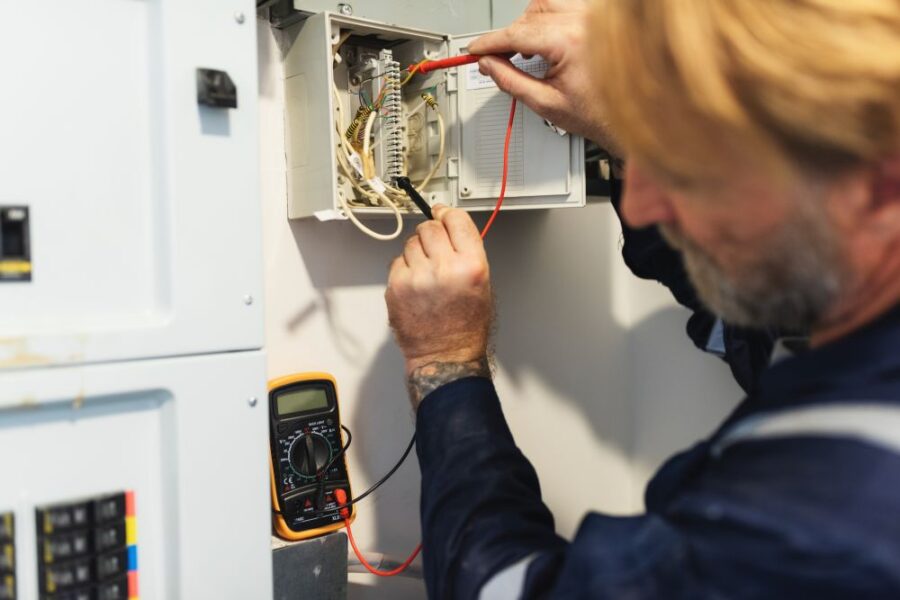
A person uses a multimeter for electrical testing on wires inside an open control panel mounted on a wall.

Professional Electrical Testing: Accurate Results for Safe Operations

In the natural world, organisms have evolved intricate mechanisms to detect danger before it manifests as harm. The monarch butterfly tastes with its feet, testing plant surfaces for chemical signatures before laying eggs. Similarly, electrical testing represents humanity’s evolved response to the invisible hazards flowing through our built environment, a systematic approach to sensing degradation and defects before they cascade into catastrophic failure. Just as natural selection refined biological detection systems over millions of years, Singapore’s electrical testing protocols emerged through decades of refinement, each iteration incorporating lessons learned from past failures.

The Ecology of Electrical Systems

Consider an electrical installation as an ecosystem, a complex network of conductors, insulators, and protective devices functioning in delicate balance. Like any ecological system, electrical networks exist in dynamic equilibrium, constantly responding to stresses:

  • Temperature fluctuations cause expansion and contraction 
  • Humidity penetrates protective barriers 
  • Mechanical vibrations loosen connections 
  • Chemical processes degrade insulation materials

Without regular electrical testing to assess system health, these gradual changes accumulate silently until reaching critical thresholds where failure becomes inevitable. The regulatory framework governing electrical testing in Singapore acknowledges this reality. After completion of electrical installations, the LEW is required to apply to SP Group for inspection and testing of the installations to ensure they have been installed correctly and are safe and fit for operation before electricity supply can be turned on.

Systematic Observation and Measurement

Professional electrical testing follows methodologies reminiscent of field biology, systematic observation guided by established protocols yet requiring interpretive judgment. The licensed electrical worker conducting tests occupies a role analogous to the field researcher, equipped with specialised instruments yet dependent upon experience and knowledge to distinguish normal variation from pathological deviation.

The testing sequence proceeds through hierarchical stages, each revealing different aspects of system integrity:

  • Continuity testing verifies that protective conductors maintain unbroken pathways, essential for fault current diversion 
  • Insulation resistance measurements detect deterioration in materials separating energised conductors from earth 
  • Earth fault loop impedance tests confirm that protective devices will operate within specified time parameters 
  • Residual current device functionality checks ensure that leakage detection systems respond appropriately 
  • Polarity verification confirms correct phase and neutral conductor connections throughout the installation

Each measurement generates quantitative data that must be interpreted against established thresholds. Like enzyme activity levels indicating metabolic health in living organisms, these electrical parameters reveal the functional status of the installation under examination.

Temporal Dynamics of Testing Requirements

Singapore’s electrical testing regime recognises that different installation types experience varying rates of degradation. Electrical installations at construction sites must be inspected monthly, while those in public areas and HDB estates’ common areas must be inspected at least once every six months. This differential timing mirrors ecological monitoring strategies where vulnerable or rapidly changing systems demand more frequent observation than stable environments.

High voltage installations necessitate annual electrical testing at minimum, reflecting both their criticality and the accelerated stress experienced by equipment operating at elevated voltage levels.

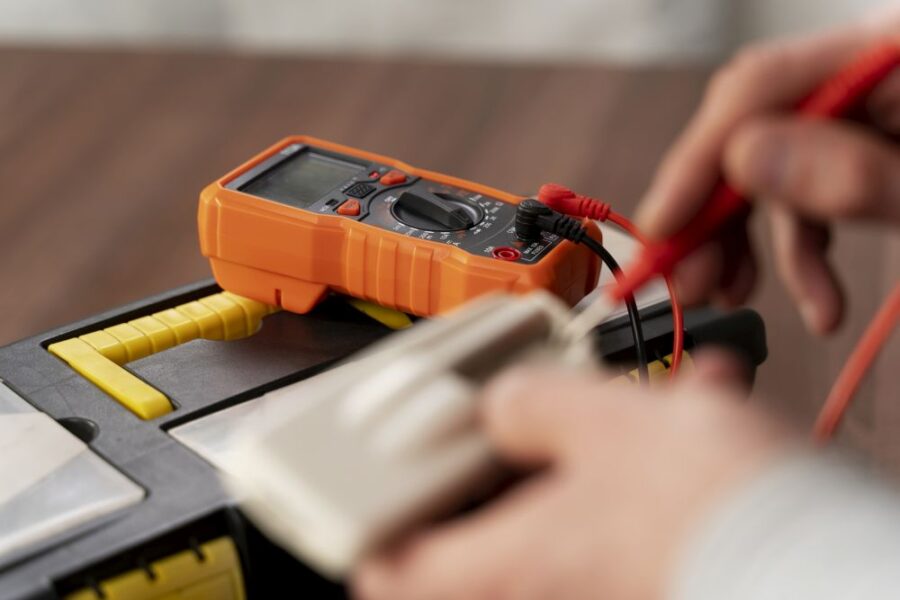
A person performs electrical testing with a digital multimeter, measuring electrical values in a circuit breaker panel filled with multiple colored wires.

The Instrumentation of Detection

Modern electrical testing employs sophisticated instruments that extend human sensory capabilities far beyond unaided perception:

  • Insulation testers generate voltages up to several thousand volts whilst measuring leakage currents in microamperes 
  • Earth resistance meters inject alternating current into ground electrodes whilst measuring resulting voltage drops 
  • Thermal imaging cameras detect temperature variations invisible to human vision, revealing loose connections through infrared signatures

These instruments function as prosthetic sensory organs, allowing practitioners to perceive phenomena occurring at scales and frequencies beyond biological detection thresholds. The marriage of human judgment with instrumental precision produces electrical testing outcomes more reliable than either component alone could achieve.

Professional Competence as Adaptive Advantage

The effectiveness of electrical testing depends critically upon practitioner competence. Singapore addresses this through licensing requirements ensuring that only qualified individuals conduct testing and interpret results. Licensed electrical workers must understand not merely how to operate test instruments but how to contextualise measurements within broader system behaviour. Marginal insulation resistance values that might be acceptable in one environmental context could indicate imminent failure in another. This interpretive capability, developed through education and experience, distinguishes professional electrical testing from mere mechanical procedure.

Consumer Product Testing as Protective Barrier

Parallel to installation testing runs the regime governing electrical appliances destined for consumer use. Controlled Goods must be tested to specified safety standards and affixed with the SAFETY Mark before they can be sold in Singapore, including testing for safety measures against fire, electric shock, explosion and other hazards.

Laboratory electrical testing of consumer products examines multiple failure modes, subjecting samples to stresses exceeding normal operating conditions. This accelerated testing reveals weaknesses that might not manifest during typical use but could appear under adverse circumstances.

The Integration of Testing into Maintenance Ecology

Professional electrical testing exists not as isolated event but as component within comprehensive maintenance programmes. Key benefits include:

  • Test results inform decisions about repair, replacement, and operational modifications 
  • Trending of measurements over time reveals degradation trajectories 
  • Predictive interventions become possible before failure occurs

Just as field biologists track population dynamics to predict ecosystem changes, electrical professionals analyse testing data to forecast system behaviour. Both disciplines recognise that present conditions emerge from past history and will shape future states, making systematic observation essential for informed stewardship.

Through methodical application of measurement and analysis, electrical testing establishes the empirical foundation upon which safe electrical system operation rests, a human adaptation to the hazards inherent in harnessing electromagnetic forces for civilisation’s purposes.

Why Regular Electrical Testing Could Save Your Property and Life

Electrical testing is one of those invisible safeguards that most of us never think about until something goes catastrophically wrong. We flip switches, charge devices, and run appliances with the unexamined confidence that comes from living in a world where electricity simply works. Yet behind every functioning electrical system lies a network of protocols, inspections, and testing procedures designed to prevent the kind of failures that can result in fires, injuries, or worse. The question is not whether electrical testing matters, but whether we are doing enough of it. 

Understanding What Electrical Testing Actually Involves

At its core, electrical safety testing is about verification. It confirms that electrical installations, equipment, and systems operate within safe parameters and comply with established standards. This is not a single procedure but rather a collection of tests, each designed to identify specific vulnerabilities before they manifest as hazards.

The scope of testing electrical systems can include:

  • Insulation resistance tests that measure the integrity of electrical insulation 
  • Earth continuity tests that verify proper grounding connections 
  • Polarity checks ensuring live, neutral, and earth connections are correct 
  • RCD testing to confirm residual current devices respond appropriately to faults 
  • Load testing that assesses whether circuits can handle their intended electrical loads

Each of these procedures serves as a diagnostic tool, revealing weaknesses that might otherwise remain hidden until a critical failure occurs.

The Regulatory Framework in Singapore

Singapore has established comprehensive requirements for electrical test procedures, recognising that in a densely populated urban environment, electrical failures carry amplified risks. According to Singapore’s Energy Market Authority, “all electrical installations must be tested and certified by a Licensed Electrical Worker before connection to the electricity supply.” This mandate reflects an understanding that electrical safety is not optional but foundational to public welfare.

The regulatory framework requires periodic inspection and testing of electrical installations, particularly in commercial and industrial settings. Singapore’s approach emphasises prevention, requiring that electrical systems undergo thorough examination at regular intervals rather than waiting for problems to emerge. This proactive stance has contributed to maintaining high safety standards across the nation’s building stock.

Why Regular Testing Matters More Than You Think

Electrical systems degrade over time. Insulation deteriorates, connections loosen, and components wear out. These changes happen gradually, often imperceptibly, which is precisely what makes them dangerous. A wire that was perfectly safe five years ago may now be a fire hazard. A circuit breaker that once functioned flawlessly might fail to trip during an overload.

Consider the statistics: faulty electrical installations rank among the leading causes of residential and commercial fires globally. Many of these incidents could have been prevented through routine electrical testing and maintenance. The tragedy is that the technology to identify these risks exists and is readily available; the failure often lies in the decision not to use it.

When Should Testing Be Conducted

The frequency of electrical safety testing depends on several factors, including the type of property, the age of the installation, and the nature of use. However, some general principles apply across contexts.

For residential properties, testing should occur:

  • During property purchase or sale transactions 
  • After any significant electrical work or renovations 
  • Following severe weather events that might compromise electrical systems 
  • At regular intervals as recommended by qualified electricians, typically every few years

Commercial and industrial facilities face more stringent requirements. The intensive use of electrical equipment, the presence of specialised machinery, and the potential impact on multiple occupants necessitate more frequent assessments. In Singapore, workplace electrical installations often require annual inspections, with some high-risk environments demanding even more frequent scrutiny.

The Human Element in Electrical Safety

Technology and regulations can only accomplish so much. The effectiveness of testing electrical systems ultimately depends on human judgement and expertise. A qualified electrical professional brings not just technical knowledge but also the experience to identify anomalies that might not register on testing equipment alone. They notice the discoloured outlet that suggests overheating, recognise the subtle signs of moisture intrusion, and understand the implications of modifications made by previous occupants.

This expertise becomes particularly crucial in older buildings, where electrical systems may include legacy components or unconventional configurations. Singapore’s diverse building stock, ranging from heritage shophouses to modern high-rises, presents unique challenges that require adaptable, knowledgeable approaches to electrical testing.

Looking Forward

As our dependence on electrical systems intensifies with the proliferation of devices, electric vehicles, and smart home technologies, the importance of rigorous testing protocols will only grow. The electrical infrastructure that seemed adequate a decade ago may strain under contemporary demands. Regular assessment ensures that systems evolve alongside our needs rather than lagging dangerously behind them.

The evidence is clear: electrical failures are predictable and preventable. What separates safe installations from hazardous ones is not luck but diligence. Every property owner, manager, and occupant has a stake in ensuring that the electrical systems they depend on have undergone proper electrical testing.

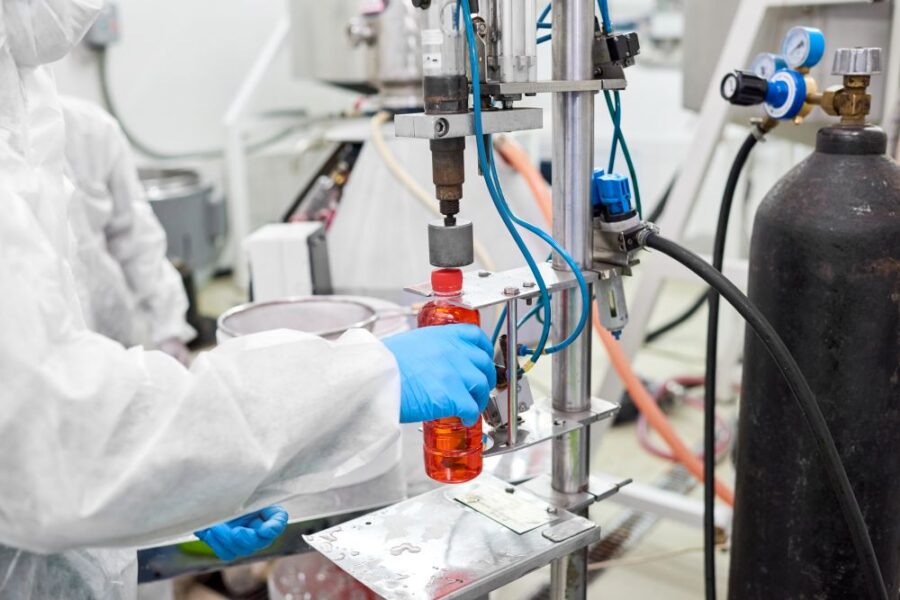
A person in protective clothing operates a filling and capping machine as it fills a plastic bottle with red liquid in a laboratory or industrial setting.

The Perfect Symbiosis: How Modern Manufacturing Achieves Seamless Container Completion

The filling and capping machine represents one of industry’s most elegant examples of mechanical symbiosis, where two distinct yet complementary processes unite to create a whole greater than the sum of its parts. In the grand theatre of manufacturing evolution, these integrated systems have emerged as the dominant species in beverage, pharmaceutical, and consumer goods production, demonstrating remarkable adaptive efficiency that would make any evolutionary biologist take notice.

The Anatomy of Industrial Cooperation

Much like the intricate partnerships observed in nature, the cleaner fish and reef shark, the oxpecker and rhinoceros, the filling and capping machine have evolved a mutually beneficial relationship that optimises both speed and precision. The filling mechanism serves as the primary producer in this industrial ecosystem, whilst the capping component acts as the protective guardian, ensuring product integrity and sterility.

These dual-function systems operate on principles that mirror the sophisticated coordination found in colonial organisms. Each component maintains its specialised function whilst contributing to the collective success of the operation. The precision timing required between filling and capping phases resembles the synchronised behaviour observed in insect colonies, where individual actions serve the greater organisational purpose.

Classification of Integrated Systems

Linear Filling and Capping Systems: The Methodical Processors

Linear integrated systems represent the methodical workers of the manufacturing world, processing containers in a sequential, orderly fashion reminiscent of ant columns traversing their established pathways. These systems excel in controlled environments where precision takes precedence over speed, typically handling 50-500 containers per hour depending on product viscosity and closure complexity.

The characteristics that define linear integrated systems include:

  • Sequential processing: Containers move through filling and capping stations in predetermined order 

  • Precise volume control: Servo-driven filling mechanisms ensure consistent product delivery 

  • Gentle handling: Reduced mechanical stress on containers, particularly beneficial for glass packaging 

  • Easy maintenance access: Individual components remain accessible for cleaning and adjustment 

  • Flexible changeover: Adaptability to different container sizes and closure types

A close-up of a filling and capping machine dispensing red liquid into multiple clear plastic bottles in a production facility.

Rotary Filling and Capping Systems: The High-Performance Athletes

At the apex of integrated system evolution, rotary filling and capping machines demonstrate the kind of high-performance coordination found in the most successful predators. These systems can process thousands of containers per hour, their circular motion creating a continuous flow that maximises throughput whilst maintaining precision.

Singapore’s beverage manufacturing sector has particularly embraced these high-speed integrated systems, with facilities reporting remarkable efficiency gains. “The implementation of advanced rotary filling and capping lines has enabled us to achieve 99.7% efficiency rates whilst reducing contamination risks by 60%,” according to recent industry analysis from the region’s soft drink production facilities.

The Ecosystem Dynamics of Integration

Environmental Pressures and Adaptation

Like species adapting to environmental challenges, modern filling and capping systems have evolved sophisticated responses to regulatory pressures, quality demands, and operational constraints. Pharmaceutical applications require absolute sterility, leading to the development of isolator-based systems that create controlled environments comparable to the sterile chambers found in certain plant reproductive structures.

Food and beverage applications demand different adaptations entirely. Here, the systems have evolved rapid changeover capabilities, allowing manufacturers to switch between products with minimal downtime—a flexibility that mirrors the behavioural adaptations of opportunistic feeders in nature.

Quality Control: The Immune System Response

Integrated filling and capping systems have developed sophisticated quality control mechanisms that function much like biological immune systems. Vision inspection systems detect improperly filled containers or incorrectly applied closures, rejecting defective products before they enter the distribution chain.

These quality control adaptations include:

  • Fill level detection: Laser-based sensors monitor liquid levels with micrometre precision 

  • Cap presence verification: Optical systems confirm proper closure placement and orientation 

  • Torque monitoring: Sensors ensure optimal closure tightness without over-application 

  • Contamination detection: Advanced cameras identify foreign particles or container defects 

  • Leak testing: Pressure decay testing validates package integrity

Technological Evolution and Future Adaptations

Industry 4.0: The Next Evolutionary Leap

The integration of digital intelligence into filling and capping systems represents a significant evolutionary advancement, comparable to the development of complex nervous systems in higher organisms. These smart systems collect and analyse operational data in real-time, making autonomous adjustments to maintain optimal performance.

Predictive maintenance capabilities allow these systems to anticipate component wear and schedule maintenance before failures occur—a form of technological prescience that surpasses even the most sophisticated biological early warning systems.

Sustainability Adaptations

Environmental pressures are driving the evolution of more sustainable filling and capping technologies. Energy-efficient servo motors, reduced air consumption systems, and recyclable component materials reflect the same adaptive responses we observe in organisms facing resource constraints.

The Collaborative Advantage

Human-Machine Partnerships

The most successful filling and capping installations demonstrate the same collaborative principles found in successful ecosystem partnerships. Skilled operators work in harmony with automated systems, providing oversight and intervention when necessary whilst allowing the machinery to perform its specialised functions autonomously.

Training programmes for these integrated systems typically require 40-80 hours of instruction, creating the knowledge foundation necessary for optimal human-machine collaboration. This investment in operator education proves as crucial to system success as the mechanical components themselves.

Economic Symbiosis

The financial benefits of integrated filling and capping systems extend beyond simple cost reduction. These systems create value networks that benefit multiple stakeholders—reduced labour requirements, improved product consistency, enhanced safety, and increased production capacity all contribute to a thriving economic ecosystem.

The Evolutionary Imperative

As we observe the continuing evolution of manufacturing technology, integrated filling and capping systems stand as exemplars of successful adaptation and cooperation. Their ability to combine precision, speed, and reliability whilst maintaining flexibility for future modifications ensures their continued dominance in the industrial landscape. The sophisticated coordination achieved by the modern filling and capping machine demonstrates that the principles governing natural selection apply equally well to the realm of mechanical innovation, creating systems that embody the very essence of evolutionary success.

The Ultimate Guide to Wireless Receivers

It all started with an old, crackling radio that I found in my grandfather’s attic. I was fascinated by how sound could travel through the airwaves and emerge from a dusty box. My curiosity got the better of me, and before long, I had dismantled the radio, trying to figure out how it worked. Little did I know, that moment would ignite a lifelong passion for wireless technology.

Fast forward to today, and I’m an engineer specializing in wireless receivers—a far cry from the days of tweaking knobs on an old radio. My journey has taken me from tinkering with basic gadgets to developing sophisticated systems with Power Technologies, where we strive to bring the latest wireless innovations to homes and businesses in Singapore.

What is a Wireless Receiver?

At its core, a wireless receiver is a device that captures signals transmitted from a wireless transmitter. These signals can carry anything from audio and video data to internet connectivity and more. The receiver then decodes these signals, converting them into a form that can be used by another device, such as a TV, speaker, or computer. In essence, it’s the bridge that brings wireless technology to life.

Types of Wireless Receivers

1. Audio Wireless Receivers

One of the most common types is the audio wireless receiver, which allows you to stream music from your smartphone to speakers without the need for cables. These devices have become incredibly popular, especially in Singapore, where space-saving solutions are always in demand. I’ve had the pleasure of working on several projects at Power Technologies where we’ve integrated these receivers into home sound systems, creating seamless and clutter-free audio experiences.

2. Video Wireless Receivers

Video wireless receivers are another critical type, often used in home entertainment systems. They enable the transmission of high-definition video signals from a source, like a Blu-ray player, to a display, such as a TV, without any physical connection. This technology is particularly useful in modern, minimalist homes where concealing wires is a priority. I remember setting up a system for a client who wanted a completely wireless home theater. The satisfaction of seeing their reaction when the system worked flawlessly was worth all the late-night troubleshooting!

3. Internet Wireless Receivers

Then there’s the internet wireless receiver, a staple in every modern home. These receivers connect to your router and transmit the Wi-Fi signal to various devices, ensuring your home remains connected. In Singapore, where high-speed internet is essential, having a reliable wireless receiver is crucial. At Power Technologies, we’ve helped numerous clients optimize their home networks by selecting the best receivers for their specific needs.

Tips for Choosing the Right Wireless Receiver

1. Understand Your Needs

The first step in choosing a wireless receiver is understanding what you need it for. Are you looking to enhance your home audio experience, or do you need a receiver to boost your Wi-Fi signal? Knowing your requirements will help you narrow down your options and choose a device that fits your lifestyle.

2. Consider the Range

The range of a wireless receiver is an important factor, especially in larger homes. Make sure the receiver you choose can cover the distance between the transmitter and the receiver without losing signal strength. I always advise clients to consider their home layout when selecting a receiver—walls, floors, and even furniture can affect signal strength.

3. Check Compatibility

Not all wireless receivers are compatible with every device. Before making a purchase, ensure that the receiver works with your existing equipment. Whether it’s your TV, sound system, or internet router, compatibility is key to a seamless experience.

4. Think About Future-Proofing

Technology evolves rapidly, and what’s cutting-edge today may be outdated tomorrow. When selecting a wireless receiver, consider future-proofing by choosing a device that supports the latest standards and can easily integrate with future upgrades. At Power Technologies, we always recommend investing in high-quality receivers that will serve you well for years to come.

Conclusion: Making the Smart Choice

Choosing the right wireless receiver can significantly enhance your home or office setup, providing convenience, flexibility, and a touch of modern sophistication. As an engineer with years of experience in wireless technology, I’ve seen firsthand the difference that the right receiver can make. At Power Technologies, we’re here to guide you through the process, ensuring you make the smart choice for your needs.

Whether you’re streaming music, enjoying a movie night, or simply staying connected, the right wireless receiver can make all the difference. So, take the time to assess your needs, explore your options, and invest in a device that will elevate your wireless experience.


A man types on a computer displaying code related to website maintenance, while two colleagues engage in discussion in the background of a modern office setting.

Website Maintenance Made Easy: A Beginner’s Guide to Keeping Your Site Running Smoothly

Let’s face it, websites aren’t like pets – they don’t thrive on neglect. My love affair with websites began in a surprisingly low-tech way: childhood tinkering with those pre-made coding kits from the cereal box. While other kids were glued to cartoons, I was mesmerized by the magic of transforming lines of code into interactive worlds. Fast forward a few years (and a mercifully short-lived ” blinking text ” website phase), I’m here at MediaPlus Digital, a leading web design and development agency, helping clients navigate the sometimes-mystifying world of website maintenance.

Truth be told, many website owners underestimate the importance of web maintenance. It’s not just about fixing broken links when your aunt Edna complains (although, let’s be honest, that’s important too). Regular website maintenance is the invisible force keeping your digital storefront sparkling clean, running smoothly, and attracting new customers.

So, how do you avoid website neglect and ensure your online presence remains polished and powerful? This beginner’s guide will equip you with the essential tools and knowledge to conquer website maintenance like a pro.

The Website Maintenance Checklist: Your Essential To-Do List

Think of your website as a well-oiled machine. Regular maintenance keeps it functioning at its peak performance. Here are some key areas to focus on:

  • Content Updates: Fresh content is crucial for user engagement and search engine optimization (SEO). Regularly update your website with new blog posts, product descriptions, and industry news.
  • Broken Link Busters: Nobody likes clicking on a dead link. Regularly check your website for broken links and redirect or remove them to avoid frustrating your visitors. MediaPlus Digital offers comprehensive website maintenance packages that include broken link checking and correction – let us handle the heavy lifting while you focus on running your business!
  • Plugin Powerhouse: Plugins add great functionality to your website, but outdated or incompatible plugins can cause security vulnerabilities and slow loading times. Keep your plugins up-to-date and remove any inactive ones.
  • Security Sentinel: Your website’s security is paramount. Regularly update your website’s core software and plugins to address any known security vulnerabilities. Consider a web maintenance package from MediaPlus Digital that includes security updates and monitoring to keep your website safe from cyber threats.


Pro Tip: Schedule these website maintenance tasks regularly (think monthly or quarterly) to ensure your website stays up-to-date and functioning flawlessly.

What NOT to Do: Website Maintenance Blunders to Avoid

While maintaining a website is crucial, there are a few common pitfalls to avoid:

  • The “Set It and Forget It” Trap: Websites are living, breathing entities, not fire-and-forget projects. Regular maintenance is essential to keep them functioning optimally.
  • The DIY Disaster: If you’re not comfortable tinkering with website code, attempting complex maintenance tasks could lead to bigger problems down the road. Consider consulting a professional web developer or opting for a website maintenance package from a trusted provider like MediaPlus Digital.
  • The “Content Catastrophe: Letting your website content stagnate is a surefire way to lose visitor interest. Regularly update your content to keep your audience engaged and informed.


Pro Tip: When in doubt, consult a professional! MediaPlus Digital’s team of experienced web developers can handle any website maintenance task, big or small.

Planning for Success: Streamlining Your Website Maintenance Workflow

Here are some tips to streamline your website maintenance routine:

  • Create a Maintenance Schedule: Block out dedicated time slots in your calendar for website maintenance tasks.
  • Utilize Reminder Tools: Set up calendar alerts or notifications to remind you of upcoming maintenance needs.
  • Invest in the Right Tools: There are many user-friendly website maintenance tools available that can automate tasks like broken link checking and plugin updates.


Pro Tip: Partner with a reliable web development agency like MediaPlus Digital. Our website maintenance packages are designed to take the burden off you, freeing you to focus on running your business.

By following these simple steps and avoiding common mistakes, you can ensure your website runs smoothly, attracts customers, and remains a valuable asset for your business.

Ready to ditch the website maintenance stress and focus on growing your business? Contact MediaPlus Digital today! We offer a variety of website maintenance packages


Page 1 of 2

Powered by WordPress & Theme by Anders Norén