
It all started with an old, crackling radio that I found in my grandfather’s attic. I was fascinated by how sound could travel through the airwaves and emerge from a dusty box. My curiosity got the better of me, and before long, I had dismantled the radio, trying to figure out how it worked. Little did I know, that moment would ignite a lifelong passion for wireless technology.
Fast forward to today, and I’m an engineer specializing in wireless receivers—a far cry from the days of tweaking knobs on an old radio. My journey has taken me from tinkering with basic gadgets to developing sophisticated systems with Power Technologies, where we strive to bring the latest wireless innovations to homes and businesses in Singapore.
What is a Wireless Receiver?
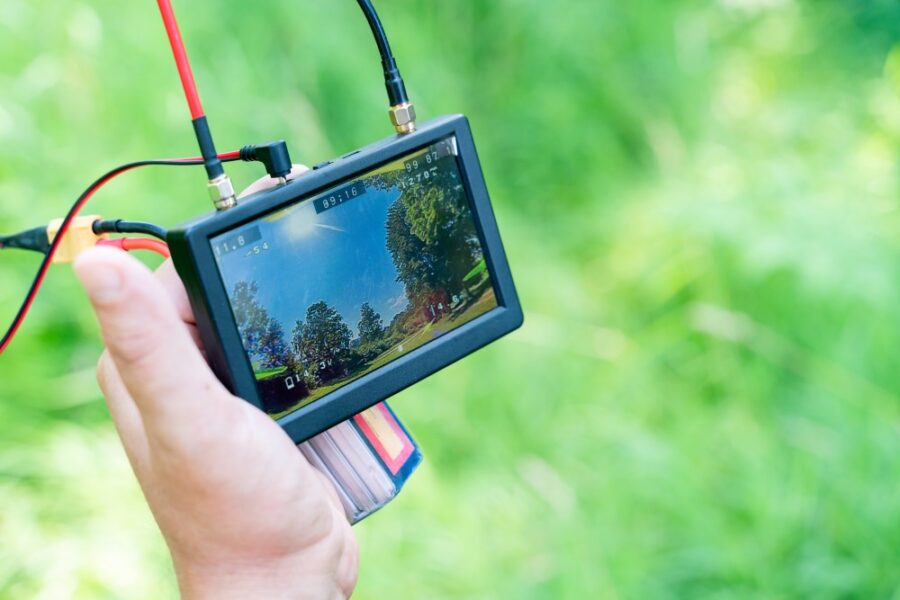
At its core, a wireless receiver is a device that captures signals transmitted from a wireless transmitter. These signals can carry anything from audio and video data to internet connectivity and more. The receiver then decodes these signals, converting them into a form that can be used by another device, such as a TV, speaker, or computer. In essence, it’s the bridge that brings wireless technology to life.
Types of Wireless Receivers
1. Audio Wireless Receivers
One of the most common types is the audio wireless receiver, which allows you to stream music from your smartphone to speakers without the need for cables. These devices have become incredibly popular, especially in Singapore, where space-saving solutions are always in demand. I’ve had the pleasure of working on several projects at Power Technologies where we’ve integrated these receivers into home sound systems, creating seamless and clutter-free audio experiences.
2. Video Wireless Receivers
Video wireless receivers are another critical type, often used in home entertainment systems. They enable the transmission of high-definition video signals from a source, like a Blu-ray player, to a display, such as a TV, without any physical connection. This technology is particularly useful in modern, minimalist homes where concealing wires is a priority. I remember setting up a system for a client who wanted a completely wireless home theater. The satisfaction of seeing their reaction when the system worked flawlessly was worth all the late-night troubleshooting!
3. Internet Wireless Receivers
Then there’s the internet wireless receiver, a staple in every modern home. These receivers connect to your router and transmit the Wi-Fi signal to various devices, ensuring your home remains connected. In Singapore, where high-speed internet is essential, having a reliable wireless receiver is crucial. At Power Technologies, we’ve helped numerous clients optimize their home networks by selecting the best receivers for their specific needs.
Tips for Choosing the Right Wireless Receiver
1. Understand Your Needs
The first step in choosing a wireless receiver is understanding what you need it for. Are you looking to enhance your home audio experience, or do you need a receiver to boost your Wi-Fi signal? Knowing your requirements will help you narrow down your options and choose a device that fits your lifestyle.
2. Consider the Range
The range of a wireless receiver is an important factor, especially in larger homes. Make sure the receiver you choose can cover the distance between the transmitter and the receiver without losing signal strength. I always advise clients to consider their home layout when selecting a receiver—walls, floors, and even furniture can affect signal strength.
3. Check Compatibility
Not all wireless receivers are compatible with every device. Before making a purchase, ensure that the receiver works with your existing equipment. Whether it’s your TV, sound system, or internet router, compatibility is key to a seamless experience.
4. Think About Future-Proofing
Technology evolves rapidly, and what’s cutting-edge today may be outdated tomorrow. When selecting a wireless receiver, consider future-proofing by choosing a device that supports the latest standards and can easily integrate with future upgrades. At Power Technologies, we always recommend investing in high-quality receivers that will serve you well for years to come.
Conclusion: Making the Smart Choice
Choosing the right wireless receiver can significantly enhance your home or office setup, providing convenience, flexibility, and a touch of modern sophistication. As an engineer with years of experience in wireless technology, I’ve seen firsthand the difference that the right receiver can make. At Power Technologies, we’re here to guide you through the process, ensuring you make the smart choice for your needs.
Whether you’re streaming music, enjoying a movie night, or simply staying connected, the right wireless receiver can make all the difference. So, take the time to assess your needs, explore your options, and invest in a device that will elevate your wireless experience.